Video Editing Tips For Better Content
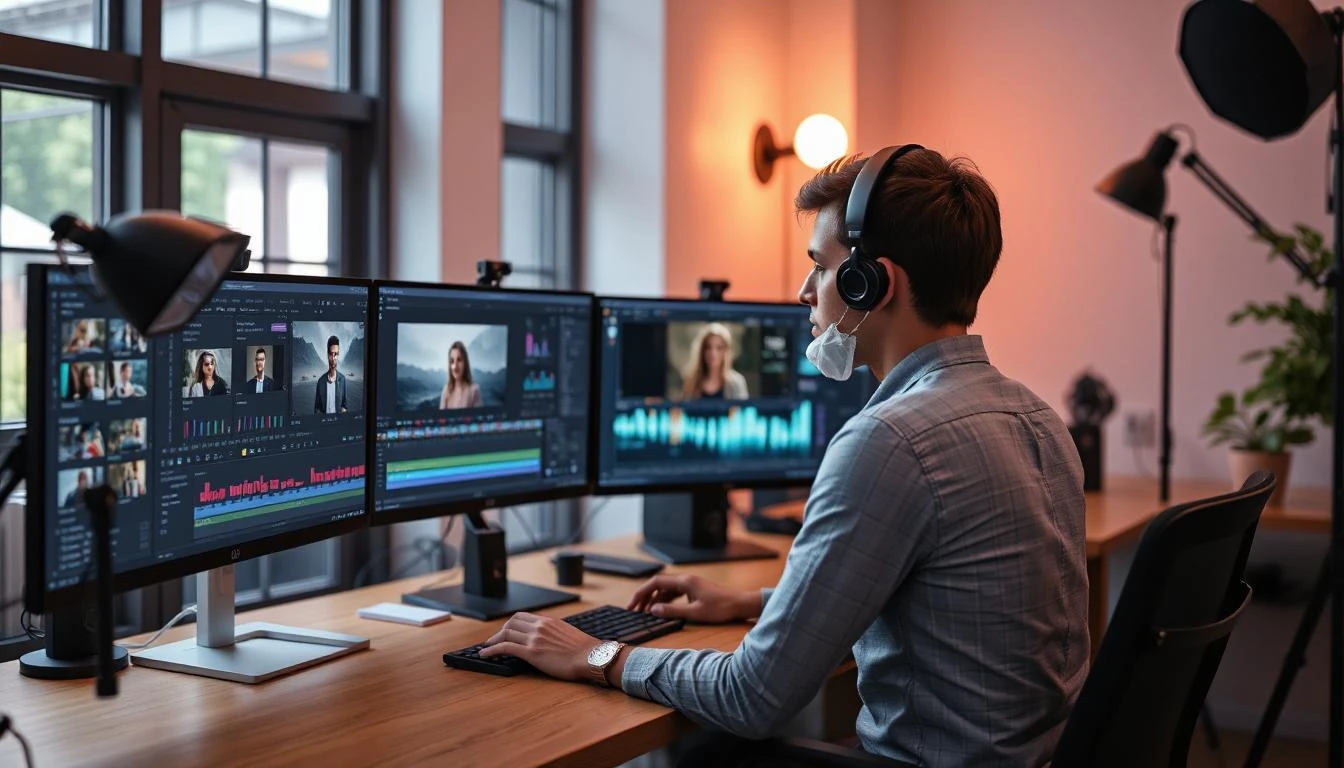
Basics of Effective Video Editing
Strong editing creates the invisible structure that keeps viewers emotionally connected from beginning to end. Before using flashy transitions or advanced cinematic effects, creators need to understand the foundation of smooth storytelling and efficient production. This is where many growing creators either lose momentum or start building professional-quality content that feels polished and memorable.
Modern content editing techniques are not only about making videos look visually attractive. They also help creators organize ideas clearly, maintain viewer focus, and create a more natural watching experience across different entertainment platforms.
Importance of smooth video transitions
Smooth transitions help videos feel fluid instead of chaotic. Abrupt cuts often interrupt emotional flow, while overusing dramatic effects can make content feel outdated or distracting. The most effective creators usually understand when to keep transitions simple and when to add cinematic movement for stronger storytelling impact.
Fast-paced entertainment content often benefits from jump cuts, zoom-ins, and motion blur transitions because they maintain energy without slowing the viewing experience. Meanwhile, documentary-style videos or emotional storytelling content typically use softer fades and cinematic cuts to guide viewers naturally between scenes. Filmmaker Martin Scorsese once explained that “editing is where storytelling truly comes alive because every cut influences emotion and rhythm.” That idea remains highly relevant in today’s entertainment-driven creator economy.
Organizing clips for efficient workflow
Disorganized footage can quickly destroy creative momentum. Searching endlessly for missing clips, misplaced audio, or random screenshots wastes valuable editing time and often leads to inconsistent results.
Professional creators usually separate footage into folders such as B-roll, voice recordings, reaction clips, transitions, sound effects, and music assets. This workflow allows editors to move faster and stay focused creatively instead of constantly searching through messy timelines. Creators who upload frequently on platforms like YouTube or TikTok often rely on structured workflows because consistency matters just as much as creativity. Efficient organization also reduces stress during long editing sessions.
Maintaining consistent video quality
Consistency builds audience trust over time. Videos with unstable brightness, inconsistent sound levels, or uneven resolution often feel unprofessional even if the content itself is interesting.
Maintaining stable lighting, balanced colors, and clean audio creates a recognizable creator identity that viewers subconsciously associate with quality. This becomes especially important for entertainment creators trying to grow loyal audiences in competitive niches.
Many successful creators now use cinematic color grading, AI-assisted editing tools, and optimized export settings to ensure every upload maintains a polished visual standard across multiple devices and screen sizes.
Essential Editing Techniques For Creators
Once the editing foundation becomes stronger, creators can begin improving smaller technical details that dramatically influence how viewers experience content emotionally. Sometimes the smallest improvements in sound, pacing, or visual presentation create the biggest difference in watch time and engagement.
Strong content editing techniques also help videos feel more immersive and professional without necessarily requiring expensive production equipment.
Improving audio and sound clarity
Audio quality often matters more than creators initially realize. Viewers may tolerate average visuals for a while, but unclear voices, background noise, or inconsistent volume levels usually push people away very quickly.
Modern creators frequently use noise reduction, equalization, compression, and layered sound design to create cleaner listening experiences. Background music should support the mood without overpowering dialogue, while sound effects should enhance scenes naturally rather than distract viewers. According to filmmaker George Lucas, “sound is half of the cinematic experience.” That principle continues to shape modern entertainment content, especially in videos designed for emotional engagement and long watch durations.
Using text and visual effects effectively
Text overlays and visual effects can increase engagement when used strategically. Dynamic captions, animated titles, and zoom effects help emphasize important moments while guiding viewer attention naturally throughout the video.
Short-form content especially benefits from subtitles because many users initially watch videos without activating sound. Fast-moving captions also make entertainment content feel more energetic and easier to follow on mobile devices. However, too many effects can overwhelm viewers. Strong editing focuses on clarity first, then enhances storytelling with visual elements that feel intentional and connected to the overall tone of the content.
Color correction and lighting adjustments
Color correction transforms ordinary footage into visually appealing entertainment experiences. Proper lighting balance and cinematic grading can completely change the emotional atmosphere of a video.
Warm tones often create comfort and familiarity, while cooler tones can add dramatic tension or futuristic aesthetics. Many creators experiment with cinematic color palettes because visual consistency strengthens branding and audience recognition. Advanced editing software now makes color correction more accessible, allowing even beginner creators to produce content that feels polished and visually immersive.
Optimizing Videos For Better Engagement
Creating visually impressive videos is important, but keeping viewers engaged until the end is what truly drives long-term growth. Audience retention has become one of the strongest indicators of content quality across modern entertainment platforms.
Creators who understand viewer psychology often make editing decisions based on emotional pacing, curiosity, and attention span rather than simply focusing on visual effects alone.
Editing for shorter audience attention spans
Online audiences consume content faster than ever before. Long introductions, unnecessary pauses, and repetitive explanations can quickly reduce watch time. Successful creators often place engaging moments early in the video to immediately capture curiosity. Fast-paced editing, emotional storytelling, and strategic scene changes help maintain viewer interest throughout the content.
Entertainment creators are also increasingly using retention-based editing styles inspired by movie trailers and viral short-form videos. This approach keeps audiences anticipating the next moment instead of passively watching.
Creating eye catching thumbnails
Thumbnails function as the first visual impression of a video. Even high-quality content can struggle if the thumbnail fails to create curiosity or emotional reaction.
Strong thumbnails usually include expressive facial reactions, bold contrast, focused compositions, and clean text placement. Simplicity often performs better than overcrowded designs because viewers only glance at thumbnails briefly before deciding whether to click. Creators who consistently test thumbnail styles frequently discover surprising viewer behavior patterns that significantly improve click-through rates and overall visibility.
Exporting videos with the right settings
Incorrect export settings can reduce video quality even after hours of careful editing. Compression artifacts, blurry visuals, and unstable frame rates negatively affect viewer experience across different devices.
Optimizing bitrate, resolution, codec settings, and frame rates ensures smoother playback and sharper visuals. Different platforms may also require different export strategies depending on whether the content is designed for vertical mobile viewing or widescreen cinematic playback.
Well-optimized exports help creators maintain professional presentation standards while improving overall audience satisfaction.
Improve Your Content With Better Video Editing Skills
The entertainment industry continues changing rapidly, but one thing remains consistent: creators who improve their editing skills usually stand out faster and build stronger audience connections. Great editing is not simply about adding effects or transitions. It is about understanding how viewers think, react, and emotionally engage with content from beginning to end.
As platforms become more competitive, creators who focus on storytelling flow, audience retention, visual consistency, and emotional pacing often gain a significant advantage. Editing allows ordinary footage to become memorable entertainment that audiences genuinely want to watch, share, and revisit later.